
A newly completed three-level office building at 266 Raglan Street, Preston, went to market this year with expected offers above $24 million, a figure that would have seemed ambitious for the suburb a decade ago. The 3,155-square-metre asset is fully leased to Berry Street Victoria and IWG on seven and ten-year terms respectively, generating close to $2 million in annual net income.
What’s notable isn’t just the price tag. It’s the building specification: a 5.5-star NABERS energy rating, a 99kW rooftop solar array, EV charging and premium end-of-trip facilities, the kind of institutional-grade features usually reserved for CBD-fringe assets, not suburban High Street precincts.
Marketing agents coordinating the campaign, Gorman Commercial and Cushman & Wakefield, pointed to something else driving investor interest: the immediate area has seen “several recent mixed use and residential developments constructed up to 18 storeys,” a scale of density Preston hadn’t previously seen.
Local demand isn’t limited to routine care. As professionals and young families move into these new developments, interest in cosmetic dental in Melbourne has grown alongside general dentistry bookings, according to practices fielding more enquiries from new residents.
What High-Density Growth Does to Local Service Demand
Eighteen-storey residential towers bring a lot more residents into a fixed geographic footprint, and service infrastructure, healthcare included, doesn’t always keep pace with that kind of vertical growth in the short term.
Dental practices are a useful bellwether here, because unlike some services, patients generally prefer a provider close to home or work rather than one requiring a special trip. As Preston densifies, existing local practices absorb a disproportionate share of new demand simply by being already established.
That’s a different dynamic to a greenfield suburb building infrastructure from scratch. It’s existing High Street businesses scaling up service capacity to match population growth that’s arriving faster than new competitors can open and build a local reputation.
Why Established High Street Practices Have an Advantage
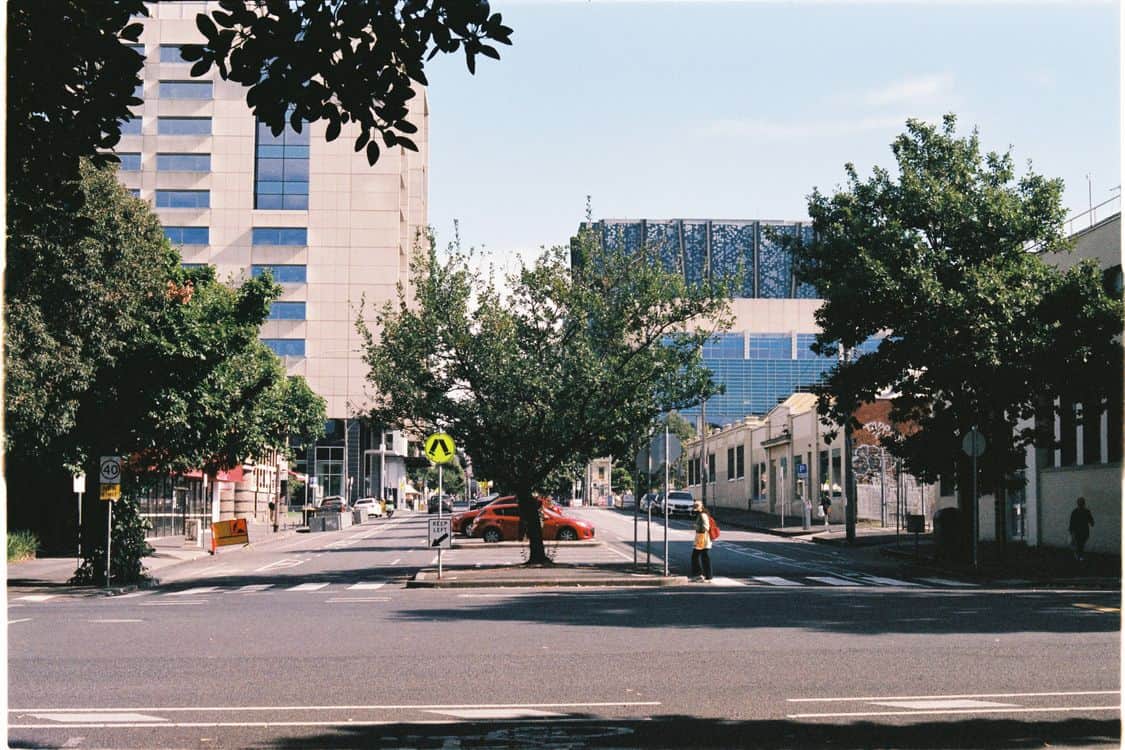
New residents moving into apartment developments along the Preston corridor typically default to whichever local providers already have visible signage, existing patient reviews, and a track record: trust signals that take years for a new practice to build from zero.
That advantage compounds. A practice with fifteen years of patient relationships on High Street isn’t just competing on convenience with a brand-new clinic two blocks over; it’s competing with an established referral network of existing patients recommending it to new neighbours.
Local commercial agents have noted the same pattern playing out across retail and hospitality tenancies in the precinct: established operators capturing new density growth ahead of newer entrants, simply through incumbency and visibility.
What the Investment Signal Means for Residents
Institutional investors don’t put $24 million into a suburb they think is plateauing. The scale of this transaction, and the density growth cited alongside it, both point to Preston continuing to add residents at a pace that will keep pressure on existing local services, dental care included.
For anyone who has recently moved into one of the newer developments along High Street or nearby, that pressure is worth factoring into how far in advance to book non-urgent dental appointments, rather than assuming next-week availability will always be there.
It also explains why longstanding local practices are increasingly the default choice for new residents settling into the area, not because of marketing, but because they were already there before the towers went up.
The seven and ten-year lease terms attached to the Raglan Street sale suggest investors aren’t betting on a short-term spike. They’re pricing in a decade of continued commercial and residential activity in the precinct.
That timeframe matters for anyone weighing whether current service capacity — dental, medical, retail — will keep pace with what’s coming. A decade is long enough for several more residential towers to complete, but not necessarily long enough for an equivalent number of new healthcare providers to establish themselves and build trust from scratch.
In the meantime, the practices already embedded in the High Street strip are the ones absorbing the early wave of new residents, simply by being the visible, known option when someone new to the area starts searching nearby.
Source: the campaign highlighted mixed use and residential developments constructed up to 18-storeys in the immediate Preston precinct.