
The first few hours of a Phoenix outage are manageable.
Then the house warms up.
Food in the refrigerator starts becoming a concern. Phones are low. Someone rolls the portable generator out of the garage and starts looking for a way to power more than a couple of extension cords.
That’s where a useful machine can become dangerous.
APS’s current electrical service requirements for emergency and standby generators specifically warn against connecting a portable generator to permanent building wiring without an approved transfer switch. The reason is backfeed.
Backfeed sends electricity where crews don’t expect it
During an outage, people naturally think the utility lines are dead.
Utility workers can’t make that assumption.
A generator connected incorrectly to a building’s wiring can send electricity back toward the utility system. The voltage can then pass through utility equipment in a direction the homeowner never intended.
That puts workers repairing supposedly de-energized lines at risk.
It can also damage equipment once utility service returns.
The generator itself isn’t the problem. The connection is.
The sketchy shortcut is easy to recognize
Portable generators generally have receptacles built into them.
Plugging suitable equipment into those receptacles with correctly sized cords is one type of setup.
Trying to feed the house through an improvised cord so the home’s existing receptacles become live is something else.
If the setup depends on energizing normal building wiring from the generator without isolating that wiring from the utility, stop there.
Turning off the main breaker by hand isn’t the same as having equipment designed to prevent the two power sources from being connected improperly.
Human memory is a poor safety interlock.
A transfer switch controls which source feeds the building
A transfer switch does what its name suggests.
The electrical load gets transferred between utility power and generator power.
The important part is the order.
APS requires a break-before-make arrangement for these systems. The building disconnects from one source before being connected to the other.
That separation is what keeps generator output from feeding back onto the utility system during an ordinary backup-power setup.
For a permanently connected standby generator, the transfer process may happen automatically. Manual systems still need approved equipment and the correct installation.
This isn’t the place for a home-built workaround assembled during a blackout.
Generator capacity creates a second problem
Even a correctly operated portable generator has limits.
A small unit that can handle a refrigerator, lights and a few electronics may have no business trying to start central air conditioning.
Motors can draw a much larger amount of current at startup than they use once running. Add a refrigerator, freezer, microwave and several other loads at the same time and the generator can be pushed beyond its rating quickly.
Figure out what needs power first.
Food refrigeration and a few lights are different priorities from trying to recreate normal household electrical use during an outage.
Cords matter more than people think
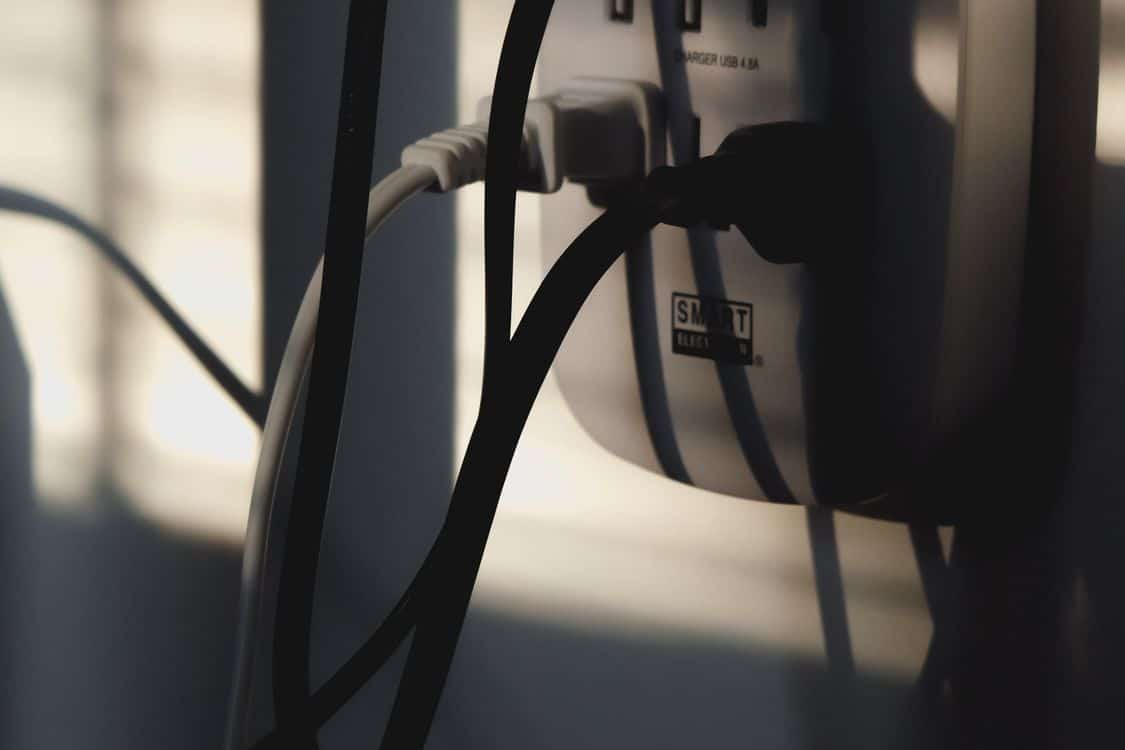
The extension cord between a generator and an appliance becomes part of the electrical setup.
Its gauge, condition and length matter.
An undersized cord carrying a heavy load can heat up. Voltage drop also grows as the run gets longer, particularly with substantial loads.
Don’t use a damaged household extension cord because it happens to reach the window.
And don’t route cords through standing water or pinch them under doors where the insulation can be damaged.
Generators create enough variables without adding a bad cord.
Keep the engine outside
A portable generator also has an engine producing exhaust.
That means outdoors.
Not inside the house. Not in a basement. Not in a closed garage. Opening the garage door partway doesn’t turn it into an outdoor location.
Place the unit where exhaust can’t collect or get pulled back into the building, while still following the manufacturer’s requirements for weather exposure and clearances.
Utility power coming back is part of the procedure
People prepare for the outage and forget about the restoration.
When the streetlights turn back on, the generator needs to be disconnected and shut down according to the setup being used.
With a properly installed transfer system, switching sources is controlled.
With a portable unit running individual appliances, loads can be removed and the generator shut down normally.
Generator trouble can also expose a separate problem inside the property. If the outage ends but a panel problem, damaged wiring or a circuit that won’t come back online remains, a Phoenix emergency electrician can deal with the property-side electrical fault while utility crews remain responsible for problems on their side of the service.
The middle ground, where somebody has improvised a way to make the entire house live, is where a simple blackout becomes a much bigger electrical problem.