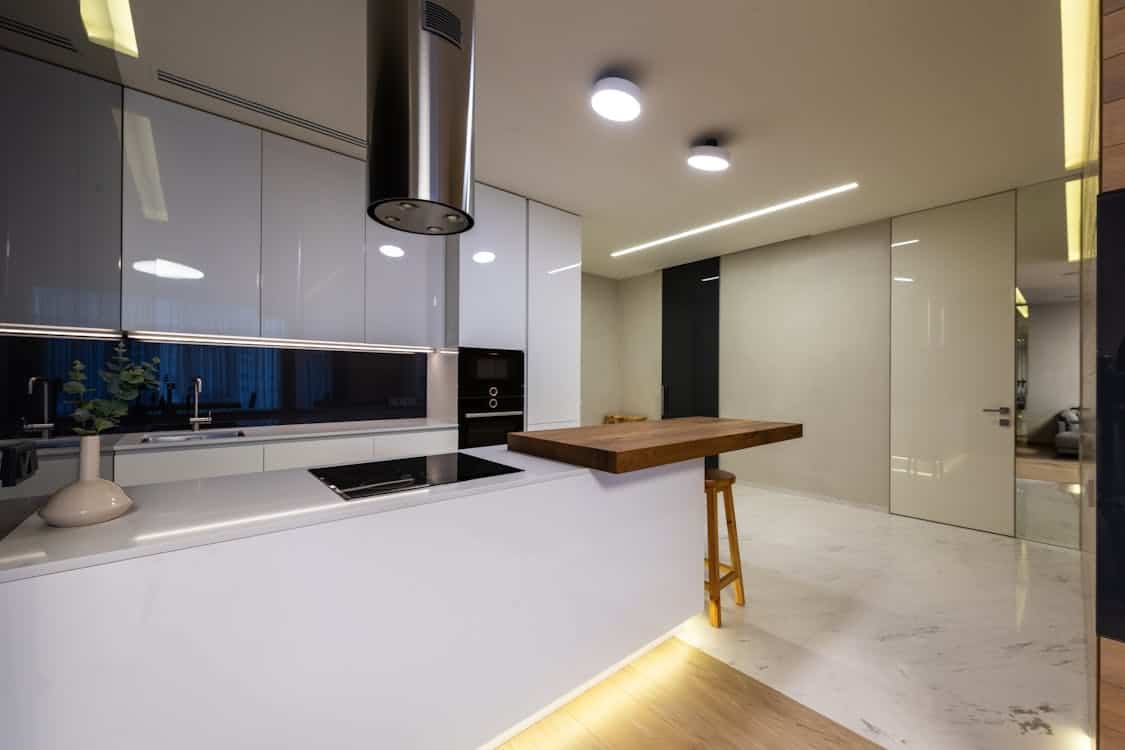

Time was, homeowners in London, Ontario could call a kitchen contractor, choose finishes from a catalog, and have a renovated kitchen within two months. That workflow is now obsolete. In 2026, successful kitchen renovations begin not with contractor calls but with six-month planning phases that involve design consultations, material lead time research, permit coordination, and realistic timeline mapping before any demolition happens.
The shift reflects hard lessons learned by homeowners who jumped into renovations unprepared and ended up with cost overruns, delayed completions, and results that didn’t match expectations. The ones getting better outcomes are those who front-load the planning, treating the pre-construction phase as seriously as the build itself. That planning-intensive approach is becoming industry standard across southwestern Ontario as contractors refuse to take on projects that haven’t been properly scoped.
Cabinet lead times are the primary driver of extended planning windows. Custom and semi-custom cabinetry that forms the foundation of most kitchen renovations now carries 12-16 week fabrication timelines after design approval. Those timelines assume no design changes, which rarely holds true once homeowners see initial renderings and start refining details. Add in revision cycles and communication delays, and six months from initial concept to cabinet delivery is conservative rather than excessive.
The decision to redesign your kitchen space fundamentally rather than just updating finishes requires even longer planning horizons when structural changes are involved. Moving walls, relocating plumbing, upgrading electrical service, or reconfiguring layouts triggers permitting requirements that add weeks to timelines even before construction crews show up.
Homeowners who skip or rush this planning phase end up discovering midproject that their preferred layout isn’t code-compliant or that load-bearing walls can’t be removed without expensive structural reinforcement.
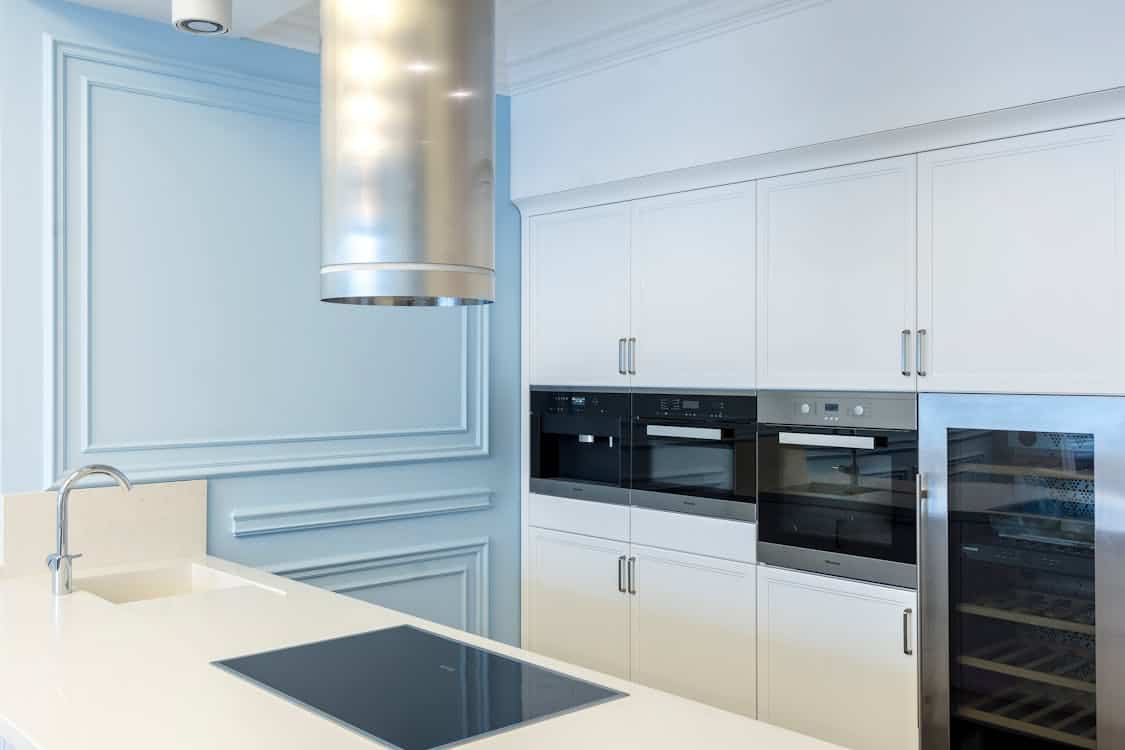
Appliance selection has also become more complex and time-consuming. The range of options for cooking, refrigeration, and dishwashing has expanded dramatically, with features like induction cooktops, smart refrigerators, and integrated ventilation systems requiring electrical and plumbing specifications that must be finalized before cabinetry design locks in. Getting appliance choices wrong means custom cabinets that don’t fit the equipment, which is an expensive problem to fix after the fact.
Budget development during the planning phase is critical for avoiding sticker shock later. Homeowners who haven’t priced materials, labor, and contingencies realistically often commit to designs they can’t afford to execute, then face painful compromises mid-project. Contractors increasingly require detailed budgets approved before design work begins, which forces financial reality checks early when adjustments are easier to make than after demolition has started.
The planning phase also allows homeowners to research contractors thoroughly rather than hiring based on availability or price alone. Checking references, reviewing past work, verifying licensing and insurance, and comparing detailed proposals from multiple firms takes time but dramatically improves the odds of a successful project. Contractors with strong reputations and full schedules book months in advance, so securing their services requires lead time that rushed projects can’t accommodate.
Design trends in 2026 favor layouts that maximize storage and workflow efficiency over pure aesthetics, according to industry reporting from Sosna Home Renovations. That focus on functionality requires careful planning to optimize the working triangle, create adequate landing zones for meal prep, and integrate organizational features that aren’t visible in showroom displays. Getting those details right takes iteration and refinement that can’t be compressed without sacrificing quality.
The six-month planning window also provides buffer time for material selection and ordering. Tile, countertops, hardware, lighting, and flooring all have lead times that vary by manufacturer and product line. Ordering materials early and confirming delivery schedules before construction starts eliminates a common source of project delays — crews sitting idle waiting for backordered products that were assumed to be readily available.
Permitting timelines in London have stretched due to municipal staff shortages and increased application volume. What once took two weeks now often takes 4-6 weeks, and any application errors or incomplete submissions reset the clock entirely. Building that time into the planning phase prevents construction delays and allows contractors to schedule work confidently once permits are actually in hand rather than optimistically assuming quick approval.
Looking ahead, the trend toward extended planning phases is likely to become even more pronounced as material lead times remain long and labor availability stays constrained. For homeowners accustomed to instant-gratification timelines, the adjustment is frustrating.
But those who embrace the planning-intensive approach consistently report higher satisfaction with final results, fewer unexpected costs, and smoother construction experiences. In an industry where successful projects increasingly require patience and preparation, six-month planning windows aren’t excessive — they’re the new minimum standard.