
Every spring, Toronto roofers brace for the same wave: leak calls, storm-damage repairs, and full re-roofs that all arrive at once after winter finally lets go. In 2026, that wave followed one of the more punishing years on record for Canadian weather, and the backlog showed it.
The connection between a national loss statistic and a single homeowner’s stained ceiling is not obvious, but it is real. The same storms that drive billion-dollar loss totals are the ones that find the weak point in an aging roof, one house at a time.
The number that frames the season
Severe weather drove insured losses that exceeded $2.4 billion across Canada in 2025, making it the tenth-costliest year on record for weather-related insured damage.
Two decades ago, a billion-dollar loss year was rare. It is now routine, and the insurers tracking it have started saying plainly that the old assumptions about how often roofs get tested no longer apply. The baseline has shifted under everyone’s feet.
What it means at the level of a single house
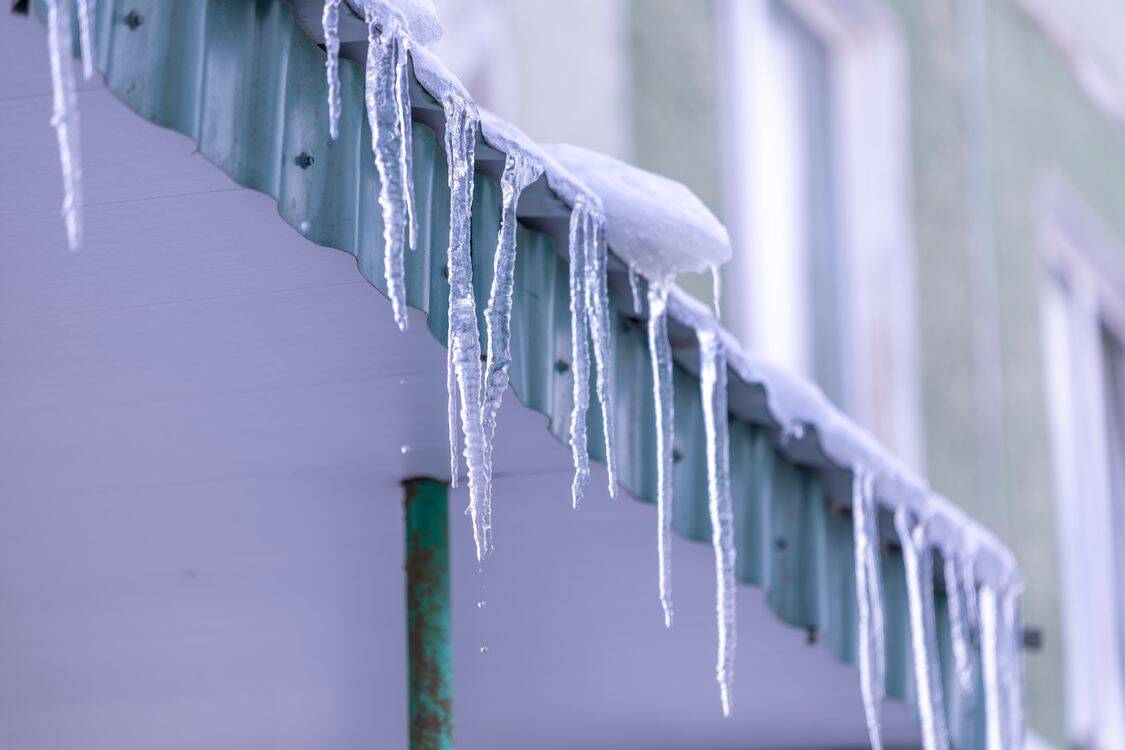
Aggregate numbers feel abstract until they show up as a brown ring on a bedroom ceiling. For a homeowner, the relevant translation is that the freeze-thaw cycles, wind events, and ice loads driving those losses are exactly the forces that exploit a tired roof.
A roof that was merely aging in 2020 is a roof that leaks in a 2025-style winter. The events have gotten more frequent and more intense, so the margin a marginal roof used to have, the years of “it’s fine for now,” has shrunk.
Why this changes the maintenance calculus
When severe weather was occasional, deferring a re-roof for a year or two was a reasonable gamble. The odds were that nothing dramatic would happen in the interim. As billion-dollar loss years become the norm, those odds get worse, and the gamble stops paying off.
The practical response is not alarm, it is inspection. Knowing the real condition of your roof, ventilation, and flashing before the next storm season is the cheapest insurance available, far cheaper than an emergency repair after water is already inside. The homeowners who check are the ones who avoid the 2 a.m. call.
Getting that inspection from a firm you can trust matters, because an inspection is also a sales opportunity, and not every operator resists the temptation to find problems that are not there. A reputable, established roofer is more likely to give you an honest read on whether you actually need work now or simply need to keep an eye on things.
Planning around a harsher baseline
The other effect of a record loss year is on scheduling. A national surge in storm damage pulls on the same finite pool of crews and materials, so booking routine work gets harder exactly when everyone needs it.
The homeowners who come through these seasons calmly are the ones who treat the roof as a planned asset, inspecting in the off-season and replacing on their own timeline, rather than reacting after the storm has already made the decision for them. In a climate that keeps raising the stakes, foresight is the whole strategy.