
Revitalizing local public spaces takes clear goals, broad input and pragmatic steps. Working with a town planner brings technical know how, knowledge of local rules and a neutral point of view.
A planner can turn resident ideas into practical designs, timelines and permit strategies while keeping budgets in mind.
If you want clearer direction from the start, incorporating basic town planning principles can help you avoid delays and keep community projects on track.
Below are organized steps that show how to set priorities, engage neighbors and get projects moving with professional guidance.
Community Visioning Workshops
Gathering residents and stakeholders at early meetings helps shape a shared vision for a place. A town planner can run sessions that balance big ideas with realistic constraints so voices are heard and outcomes are usable.
Tools like maps, simple sketches and small group tasks make the work concrete and invite participation from people who might otherwise stay away.
Many hands make light work when neighbors bring local knowledge, and the planner can translate that input into a clear action list.
Site Analysis And Mapping
A careful read of a site reduces surprises later on and saves time and money during delivery. Planners will collect data on circulation, topography, utilities and micro climate to reveal opportunities and limits that are not obvious at first glance.
Mapping patterns of use and existing informal spots tells you where small interventions can have big effect. That baseline work gives elected officials, funders and volunteers a common reference point for decisions.
Accessibility And Inclusive Design
Good public space works for people of different ages, abilities and economic backgrounds without calling attention to the accommodations.
Planners can guide placement of seating, ramps, tactile surfaces and clear signage so that the area is welcoming and navigable.
Simple changes such as route width, grade adjustments and lighting often deliver disproportionate benefit for many users. A few well chosen standards reduce friction and make the space more inviting for a wider slice of the population.
Green Infrastructure And Water Management
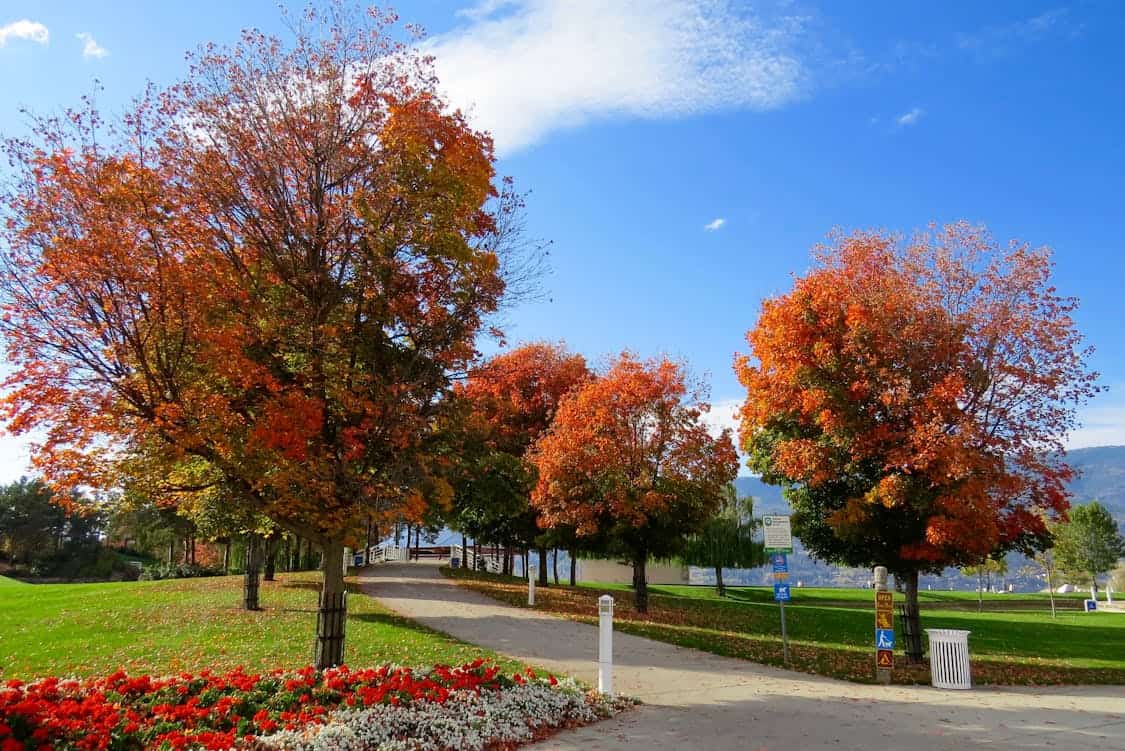
Rain gardens, permeable paving and planted swales help manage storm water while adding visual interest and cooling shade.
Town planners can point to suitable techniques for local soil and rainfall patterns and advise on maintenance needs that match the community capacity.
These interventions often serve multiple goals at once, such as improving runoff, supporting pollinators and creating quieter micro areas among hard surfaces.
Thoughtful placement of trees and ground cover can change how people experience a place in all seasons.
Flexible Programming And Events
A park that can host a farmer market in the morning, a movie night on Friday and a fitness class on Sunday will get used more often. Planners advise on power access, storage options and seating arrangements that make changeover quick and safe.
Programming that rotates small vendors or invites local artists breathes life into a space and helps sustain interest without large capital expense. Start small to test what works, then scale activities that attract local support and modest revenue.
Tactical Urbanism And Pilot Projects
Short term, low cost experiments allow a community to test ideas before making permanent changes. Temporary seating, painted curb extensions and pop up plantings show how a new layout feels in daily use and provide feedback for adjustments.
Planners can help frame pilots so they meet safety standards and provide clear data for decision makers. A successful short term trial often makes it easier to secure funding for a more durable upgrade.
Zoning Advice And Permitting
Local rules affect what gets built, where and how quickly a project moves from plan to reality. A town planner speaks the language of zoning codes and can suggest compliant design approaches that reduce delay at permitting offices.
Early engagement with planning staff and elected boards smooths the path and clarifies what level of review is required. Clear deliverables and a timeline reduce confusion for volunteers, contractors and municipal staff.
Funding Strategies And Phasing
Financial constraints rarely vanish, but projects can be sliced into stages that match available dollars and volunteer capacity. A planner can create an order of operations that produces visible wins early on while setting the stage for later work.
Matching small grants with local fundraising or corporate donations often pays for initial construction and programming. A phased plan helps keep momentum alive and shows how partial investments add up over time.
Partnerships With Local Groups
Schools, neighborhood associations and small businesses bring networks and muscle that a municipality alone may lack. Planners can act as conveners and neutral facilitators so different parties agree on shared goals, roles and timelines.
Many successful places use a simple memorandum that clarifies who does maintenance, who runs events and how costs are split. When groups pool skills and contacts, projects tend to gain credibility and longevity.
Measuring Impact And Feedback Loops
Tracking how people move, gather and respond provides a strong case when asking for more support or funding. Simple tools like counts, short surveys and before and after photos give measurable evidence of change.
A planner can help set realistic metrics and schedule check ins that gather useful feedback without overburdening volunteers. The most useful monitoring plans are straightforward, repeatable and tied to clear next steps.
Maintenance Plans And Long Term Care
A new plaza or garden only stays lively if daily chores and repairs are assigned and funded. Planners can work with municipal staff and community caretakers to create a maintenance roster that fits local capacity.
Small predictable budgets and a few basic tools or storage containers often go further than good intentions alone. Clear responsibilities reduce conflicts and keep the place healthy year after year.