
Choosing the right cooling system can change how comfortable your home or office feels throughout the year. The decision often comes down to space, layout, budget and personal preferences about looks and control.
Both ducted and split systems have clear strengths and trade offs so a careful look at practical factors helps make a smart pick. A few examples and comparisons will make the differences easier to grasp and less likely to trap you in buyer regret.
Ducted System Overview
A ducted aircon places a central unit in a roof space or utility area and sends conditioned air to many rooms through a network of ducts and ceiling outlets. It offers a clean ceiling line with most components hidden which appeals to people who prefer an uncluttered interior.
Ducted systems can cool a whole house evenly which makes them a popular option when uniform temperatures matter. The upfront price tends to be higher and the installation can be a larger project that changes the way a building is configured.
Split System Overview
A split system has an outdoor compressor linked to one or more indoor units that mount on walls or sit in ceilings inside rooms. These units are effective for targeted cooling and are commonly used in apartments rooms and single spaces where ductwork is not feasible.
Installation is usually quicker and less invasive which is attractive when time or structural constraints limit what can be done. Split systems are available in a wide range of capacities and styles meaning you can match the unit to the size and purpose of each room.
How Each System Works
Ducted systems distribute conditioned air through insulated channels and rely on a single central machine to handle the heat transfer and airflow. Split systems use local units that move refrigerant between the outdoor compressor and indoor evaporator coils so each zone has its own thermostat control.
Both systems perform the same basic physics of heat exchange yet they differ in how they deliver air and where noise and heat are managed. That difference affects where you place equipment and how easy it is to service the system over time.
Cost Factors And Budgeting
Upfront costs for a ducted layout include the main unit ductwork and ceiling outlets plus potential roof access work which adds to labor hours. Split systems often have lower initial equipment and installation charges when you need to cool only a few rooms rather than an entire building.
Running costs depend on system size insulation quality and how you operate thermostats and timers which can tilt the long term expense in one direction or the other. Also plan for periodic maintenance and occasional repairs which will affect total lifetime spending for either style.
If you’re considering the most cost-effective route for your home, choosing expert air conditioner installation will ensure that your investment is protected from the start.
Energy Use And Efficiency
Energy performance links to how well each unit is sized and how the building retains cooled air rather than the label on the machine alone. Duct leakage and long run times can weaken efficiency in a ducted setup if ducts are not well sealed and insulated.
Split units avoid duct losses and can be more efficient when you only need cooling in specific rooms rather than the whole home. Look at seasonal energy ratings and choose a system that matches load calculations for your property so you do not pay for more capacity than necessary.
Installation And Structural Impact
Installing ducts means access to roof or ceiling cavities and sometimes raising parts of ceilings which can be disruptive in occupied homes. Split systems require small penetrations for refrigerant pipes and electrical lines which typically causes very little interior work.
If you live in a heritage building or a rented property the lighter touch of a split arrangement may be easier to approve and implement. Always verify where condensate will drain and how outdoor units will sit to avoid surprises after installation crews leave.
Maintenance Requirements And Lifespan
Maintenance for ducted systems includes periodic inspection of duct cleanliness filters and the central unit which can be more complex because parts are out of sight. Split systems are simpler to access with indoor units that have removable filters and outdoor compressors that are easy to service.
Regular filter cleaning and annual professional checkups extend service life and keep efficiency higher so treat either option as an ongoing household chore. If you plan to stay in a property for many years factor in longer term reliability and parts access when planning a purchase.
Noise Levels And Comfort
Indoor comfort is influenced by airflow patterns and background noise from equipment which gets handled differently in the two approaches. Ducted systems move noise away from living zones because the main mechanical parts sit in a roof cavity though fans and vents still generate a soft sound.
Split units put cooling closer to occupants so noise levels depend on the quality and settings of each indoor piece which can be very quiet in modern models. If you are sensitive to sound look for low decibel ratings and read user feedback to see how units behave in real homes.
Zoning And Control Options
A ducted arrangement can be set up with multiple zones controlled by dampers and separate thermostats which allows different areas to be cooled at different times. Split systems give room by room control by nature so occupants can set unique temperatures and timers without complicated ductwork.
Fine grained control reduces wasted running time and lets household members keep their own comfort without fighting over a single setting. Consider how habits in your household match the available control features because good zoning often pays back in reduced energy bills.
Visual Impact And Space Needs
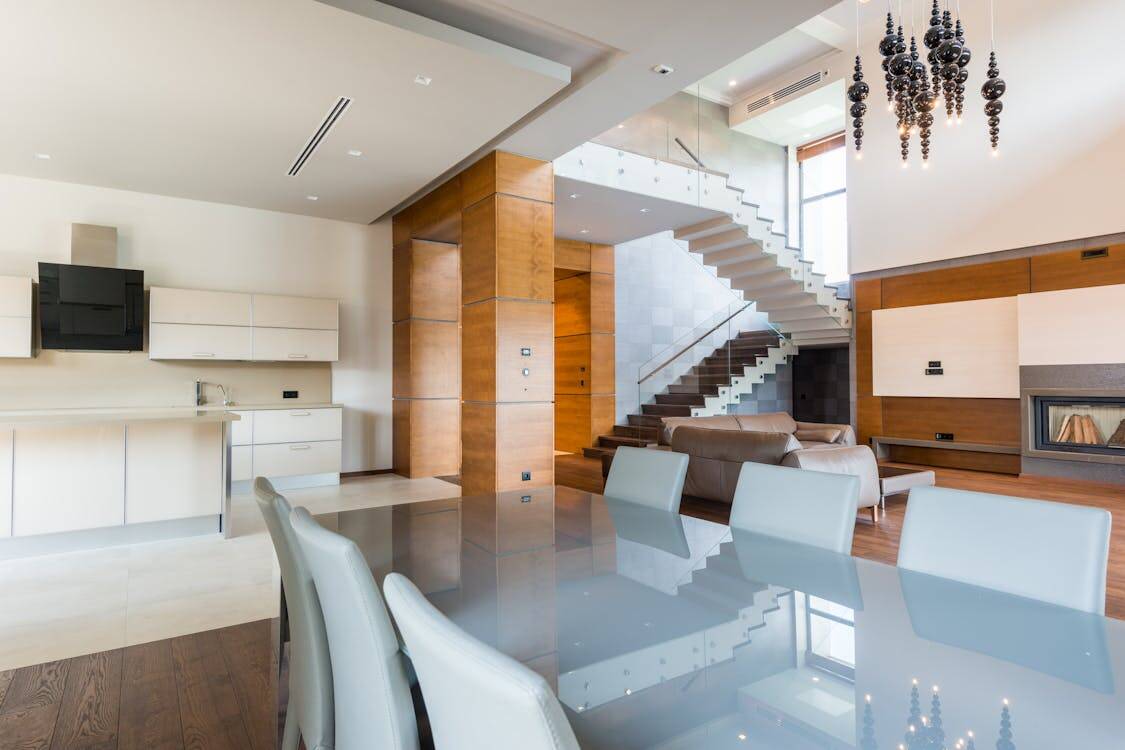
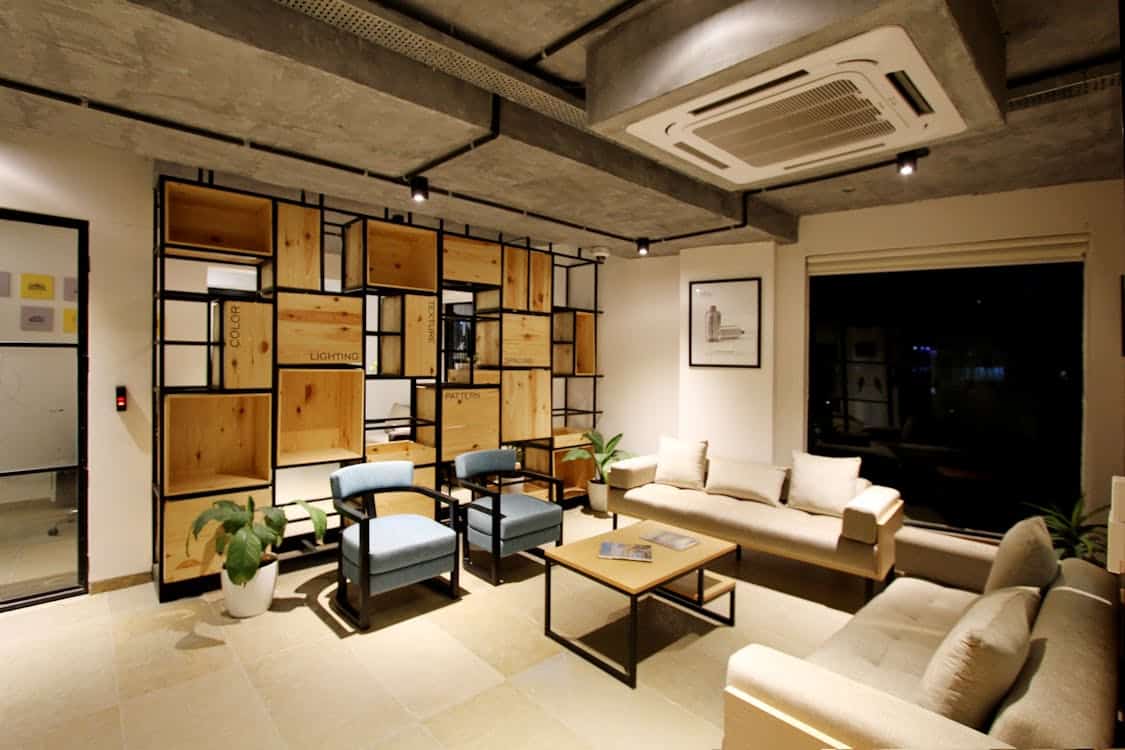
Ducted systems keep interiors free of mounted boxes with only discreet grilles or linear outlets showing in ceilings which helps with design continuity. Split indoor units require visible elements on walls or ceilings which designers can work into room decor but may limit where furniture and artwork go.
Outdoor condensers for both systems need a stable flat spot and adequate clearance for airflow which might influence landscaping or balcony use. Think ahead about where the installed units will sit and how that placement will affect daily life and curb appeal.
Matching System To Lifestyle
If you prefer a one time full house solution and value seamless interior lines a ducted choice may fit your way of living and hosting guests. For renters small households or room based cooling needs split units usually offer lower entry costs and more flexible control when schedules or occupancy vary.
Families with variable occupancy patterns often benefit from room level control because it turns cooling off in unused spaces which keeps bills down. Balance your long term plans with immediate needs and pick the system that aligns with how you actually live and use each space.