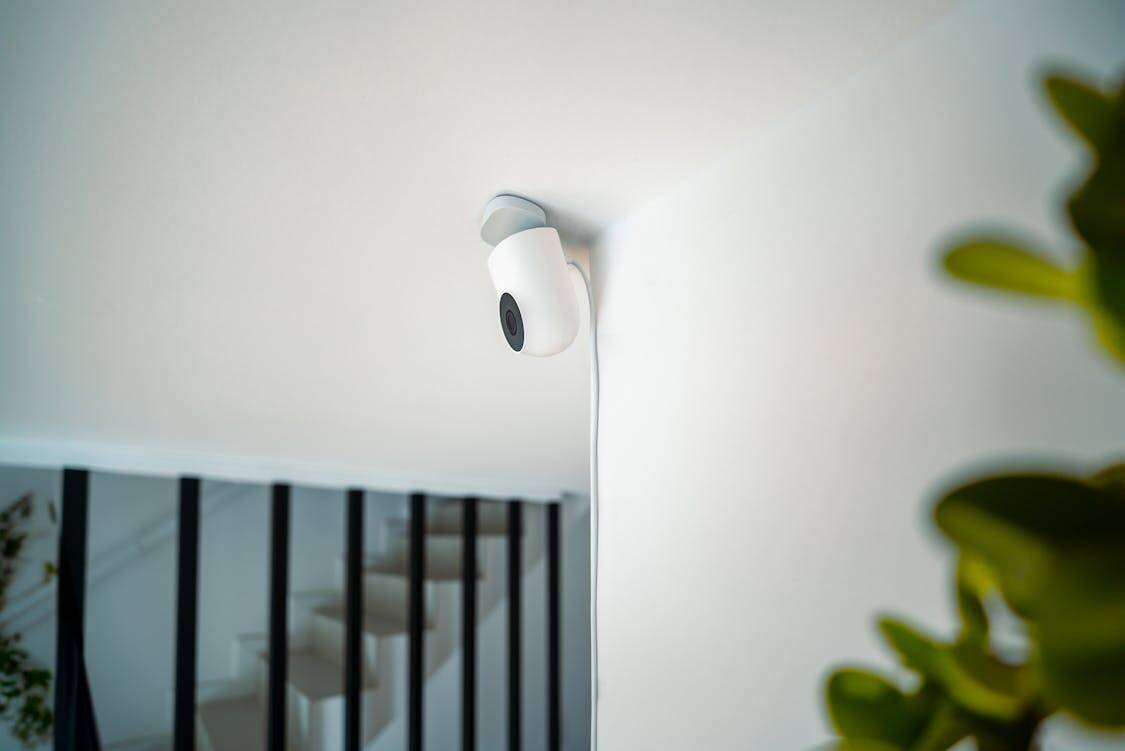

Home security cameras have become something of an everyday tool for modern households, and their use stretches well beyond catching wrongdoers. These small devices offer steady streams of visual information that can help with routine chores, household planning and family peace of mind.
With a little thought about placement and settings, a camera can function as a remote set of eyes that supports daily life in many practical ways.
1. Remote Care For Children And Pets
Cameras let caregivers check on a sleeping baby or an anxious pet from another room or from across town, offering reassurance without physical interruption of a nap or an afternoon routine.
Two way audio often lets someone calm a child or quiet a nervous dog, giving a real time voice that soothes until a parent or sitter can arrive.
Video clips can document how a babysitter handled an unexpected spit up or how a pet behaved during a thunderstorm, creating useful records for later discussion.
Those same recordings help spot patterns in trouble spots like a favorite couch that becomes a chew target, enabling gentle correction before habits become hard to break.
Cameras also support older children gaining independence by providing a lightweight layer of oversight that respects privacy while keeping safety in focus. A quick visual check when a teenager says the bus is late replaces anxious guessing and reduces household tension without knocking on the front door.
Time stamped footage shows arrival times and routines, which can be helpful when coordinating shifts, carpools and after school activities. This kind of remote presence can smooth daily logistics and keep everyone on the same page without constant text messages.
2. Smarter Home Maintenance And Early Issue Detection
A camera trained on utility areas, slopes of a garage or a basement corner can reveal the first signs of a leak, condensation or pest activity long before a small problem turns into an expensive repair.
Motion alerts or regular clips make it possible to notice slow drips and spreading stains, which often start as tiny, almost invisible changes that grow over time.
Owners who spot a budding issue can call a plumber, roofer or technician on a schedule that fits the household, avoiding emergency calls and surprise bills. The habit of checking a few short clips can save time and money by catching trouble early and preventing escalation.
Exterior cameras with a view of gutters, downspouts and rooflines are especially useful after heavy storms, because they show loose shingles, blown debris and pooling water without a risky climb on a ladder.
Footage from a storm event can also help explain wear patterns to a contractor, who can quote more accurately when they see exact conditions. Seasonal checks using stored video create a visual timeline of a structure that helps spot slow changes and inform renovation choices.
When small issues are handled before they flare up, the house functions better and costs over years are likely to be lower.
3. Improved Delivery Management And Service Verification
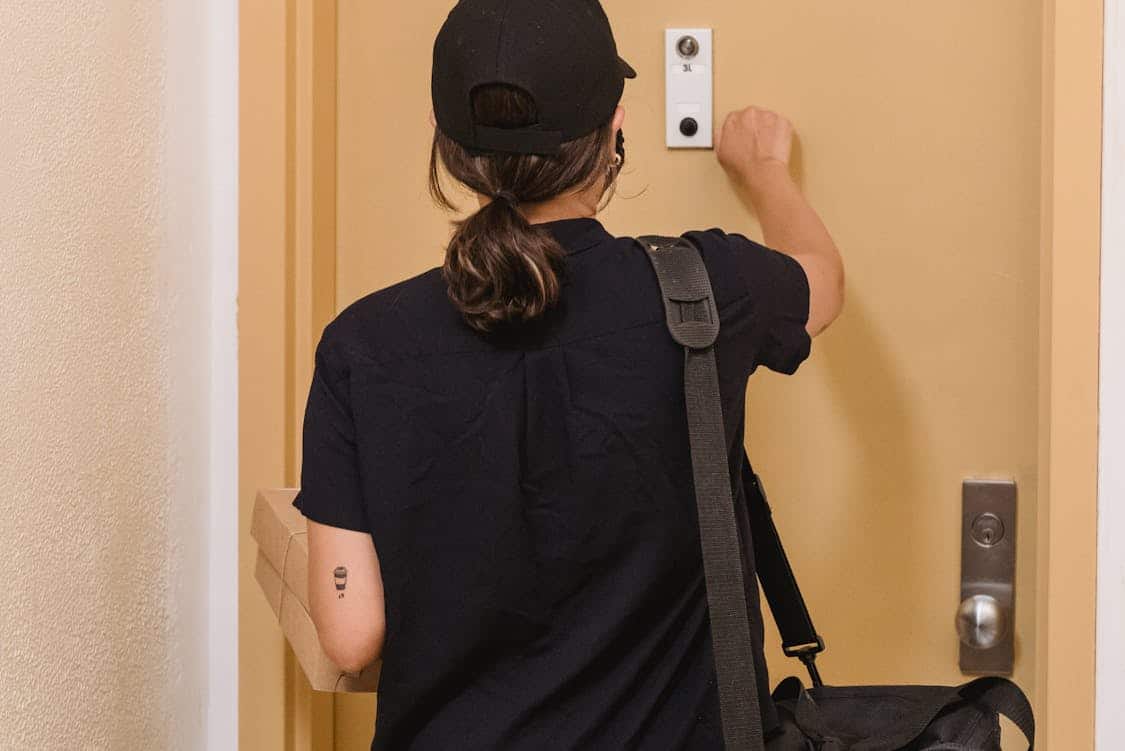
Cameras aimed at porches and driveways reduce the guesswork about dropped packages and scheduled services, giving clear proof of arrival and condition for both senders and recipients.
Time stamped clips help resolve disputes with couriers, letting a homeowner show exactly when a parcel was left and whether it was handled roughly or left exposed to the elements.
Service providers like cleaners, landscapers and maintenance crews can be verified visually without face to face exchanges, which saves time and gives clients confidence about the work performed, especially when wider coverage from features like GuardHouse WatchEye Security Camera’s 150° wide-angle lens coverage allows the entire entry area to be seen in a single view.
A visual record can also be helpful when scheduling follow up visits, creating a shared reference for what was done and what remains on a checklist.
For remote workers who rely on deliveries for tools, parts or samples, the ability to confirm a drop without leaving a meeting adds a layer of efficiency that pays back in focused hours.
Some cameras integrate with home automation so lights and smart locks respond to a delivery event, creating a seamless experience from notification to retrieval.
Clear video logs also reduce the need to rely on flaky memory or a string of messages when coordinating multiple shipments. In short, visible proof of service events trims friction from everyday logistics and keeps small tasks from ballooning into larger hassles.
4. Insurance Savings And Boosted Property Appeal
Many insurance companies recognize active monitoring and offer discounts to homeowners who can demonstrate reduced risk, a practical incentive that softens the initial purchase cost.
A documented history of video clips showing proactive maintenance and regular checks can also strengthen a claim when an incident does occur, helping with smoother settlements and reduced argument.
Buyers who view a property often appreciate evidence of thoughtful systems in place, because a well documented home feels managed and cared for, which may influence perceived value.
A record of low claim frequency and visible safety measures can translate into tangible financial benefits over time.
Real estate listings that highlight integrated camera systems suggest a modern, considered approach to household management that appeals to some segments of the market.
Footage used for time lapse presentations of renovations or landscaping progress can make a listing stand out and tell a vivid story about improvements.
For landlords, cameras in common areas increase tenant trust in building oversight and provide evidence for maintenance histories without compromising private spaces.
Practical installations that respect privacy yet show attention to detail often make a property feel like a reliable investment.
5. Neighborhood Connection And Community Awareness
When shared appropriately, footage from public facing cameras can strengthen ties with neighbors by confirming events like a lost dog being found or a street light that failed after a storm.
A community that exchanges accurate visual information can act faster to help one another, turning solitary surveillance into communal support for someone in a pinch.
Cameras that capture the flow of daily life provide a collective record that helps neighborhood groups spot recurring hazards like a blind intersection or a problem crosswalk.
Such shared awareness often leads to small, concrete fixes that improve everyday comfort and reduce repeated annoyances.
Local groups sometimes use footage to coordinate volunteer efforts after a weather event or to arrange shifts for block level care during prolonged absences, creating a practical safety net without centralized control.
Visual confirmation of conditions makes organizing simpler, because it reduces ambiguity and keeps conversations fact based instead of speculative.
When residents operate with clear, mutually agreed rules about privacy and sharing, the technology fosters trust and quick responses rather than suspicion and noise.
The end result is a neighborhood where people work together like a well oiled machine that gets things done with minimal fuss.